Tips & Guides
Cardio vs Weights for Fat Loss, Which Actually Works Better?
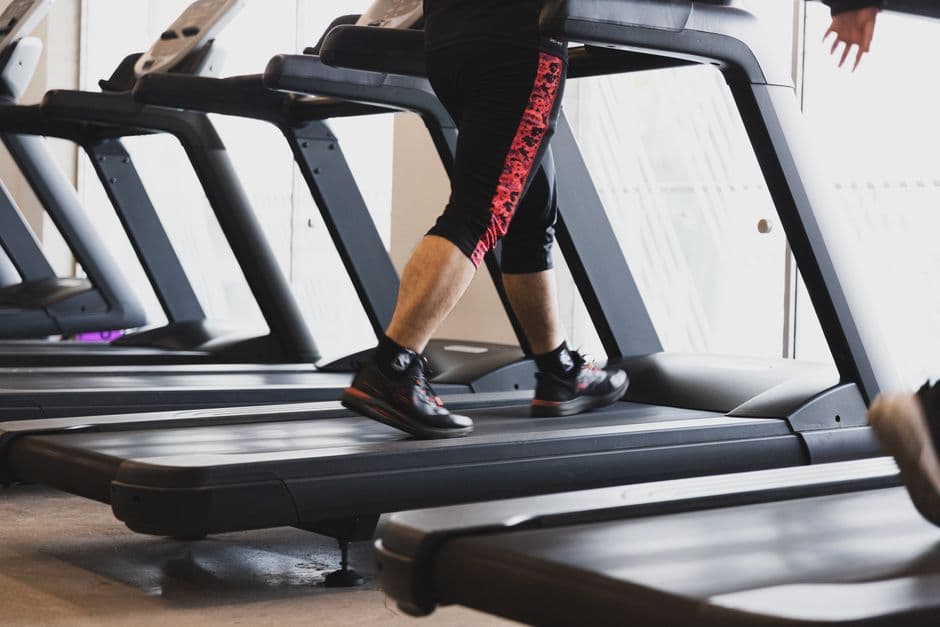
Cardio or weights, which is better for fat loss?
Weights, if you can only pick one. That is the short version of the cardio vs weights for fat loss debate, but the honest answer is that fat loss is decided in the kitchen and protected in the gym. A calorie deficit removes the fat. Resistance training makes sure what you lose is mostly fat and not the muscle that gives you shape. Cardio is a useful tool for widening the deficit and building a strong heart and lungs, but it is the support act, not the headliner.
That order surprises people, because cardio feels like the fat-loss exercise. You sweat more, the machine shows a calorie number, and the effort is obvious. But feeling like fat loss and producing lasting fat loss are two different things, and the difference is exactly why so many people run themselves into the ground and still don't look the way they trained for.
What does cardio actually do for fat loss?
Cardio burns energy while you do it, and that is essentially the whole pitch. A steady run or a hard bike session adds to your daily energy expenditure, which makes a calorie deficit easier to hold without cutting food to miserable levels. It also improves cardiovascular fitness, recovery between strength sets, and general health markers, all things we care about at FitCultInc.
What cardio does not do is tell your body to keep muscle. If you diet hard and rely on cardio alone, a chunk of the weight you lose will be lean tissue. The scale drops, but you end up a smaller, softer version of the same shape, with a metabolism that now runs on fewer calories. That is the classic "skinny but not toned" outcome, and it is a programming problem, not a genetics problem.
There is also the compensation trap. Long cardio sessions ramp up appetite for a lot of people, and one absent-minded post-run snack can quietly cancel an hour on the treadmill. The session was real, the deficit was not.
Why do weights beat cardio for body transformation?
Weights win because they defend muscle while the deficit strips fat, and muscle is what a transformation actually looks like. When you train with progressive overload during a fat-loss phase, you send a clear signal: this tissue is being used, keep it. The energy shortfall then has to come from stored fat, which is precisely what you want.
 Conceptual art featuring the words 'Fat Burn' using Scrabble tiles between a fork and spoon on a white background.
Muscle also does quiet, compounding work in the background:
- It keeps your metabolism higher. Muscle costs energy to maintain, so holding onto it means your maintenance calories stay higher and your deficit stays easier.
- It creates the shape. Fat loss reveals whatever is underneath. If nothing is underneath, there is nothing to reveal. Squats, presses, rows and deadlifts build the frame the fat loss uncovers.
- It keeps you capable. Strength makes every other part of life and training better, from carrying kids to finishing a hike without your knees complaining.
A hard strength session also burns more than people credit it for, and the recovery cost of rebuilding after training adds a little more. It is not the headline number a cardio machine shows you, but it is real, and it comes bundled with all the benefits above.
Do you need cardio at all to lose fat?
No, cardio is not required for fat loss, but most people are better off doing some. A calorie deficit plus resistance training will produce fat loss on its own, full stop. Where cardio earns its place is practicality and health: it widens the deficit without more food restriction, it builds an engine that supports your lifting, and it is genuinely good for you. The Australian physical activity guidelines land in the same place, recommending regular movement plus muscle-strengthening activity, not one or the other.
The form matters less than the consistency. Walking is criminally underrated. A daily 30 to 45 minute walk around the Bay Run or along the water at Wentworth Point adds meaningful energy expenditure with basically zero recovery cost, no appetite spike, and no interference with your strength sessions. For busy Sydney professionals it is usually the single easiest lever to pull.
Higher-intensity cardio has its place too, but it competes with your lifting for recovery. In a fat-loss phase, where recovery is already tighter because you are eating less, piling on intense cardio is often what tips people from progressing into just surviving.
What should a fat-loss training week look like?
A solid fat-loss week for most people is three to four strength sessions, daily steps, and one or two optional cardio sessions on top. In practice:
 Woman performing sit-ups on gym equipment, promoting fitness and healthy lifestyle.
- Strength, 3 to 4 times per week. Full-body or upper/lower splits built on the big lifts, keeping the loads honest. The goal in a deficit is to hold or slowly build strength, which tells you the muscle is staying.
- Steps every day. Aim for a consistent daily range, say 8,000 to 10,000, rather than heroic one-off efforts. This is the quiet engine of the whole plan.
- Optional cardio, 1 to 2 sessions. A swim, a bike, a run, a class you enjoy. Enjoy is the key word, because you will actually repeat it.
- Protein and sleep holding it together. Neither is training, both decide whether training works. Our guide to how much protein you actually need covers the numbers, and Sports Dietitians Australia has solid fuelling fact sheets if you want to go deeper.
Notice what is missing: daily punishment cardio, two-hour sessions, training seven days a week. None of that survives a real Sydney work week, and a plan you cannot repeat is not a plan.
How do you know your mix is working?
You know the mix is working when the scale trends down over fortnights while your lifts hold steady or climb. That combination means the loss is coming from fat, not muscle. Add a few waist measurements and monthly progress photos and you have a complete picture that no single weigh-in can distort.
This is exactly how we coach it at FitCultInc, whether that is one-on-one in person around Wentworth Point and Rhodes or through online coaching anywhere in Australia. Programmed strength work, a step target, cardio where it helps, and nutrition that does not require starving. Tracked, adjusted, repeatable. When the FitCult app arrives later in 2026, your programme, progress tracking, check-ins and coach messaging will all live in one place, which makes holding that weekly mix even simpler.
If you have been grinding out cardio and wondering where the transformation is, the missing piece is probably a barbell and a plan. Book a free intro session in Wentworth Point, or start online coaching from wherever you are. Built, not born. Let's build it.
Call Harry on 0424 250 374, DM @fitcultinc, or head to fitcultinc.com.
Get an honest quote for your place
A free quote, no obligation, and the price we give is the price you pay.