Tips & Guides
You Don't Have to Starve to Lose Fat (Here's the Smarter Way)
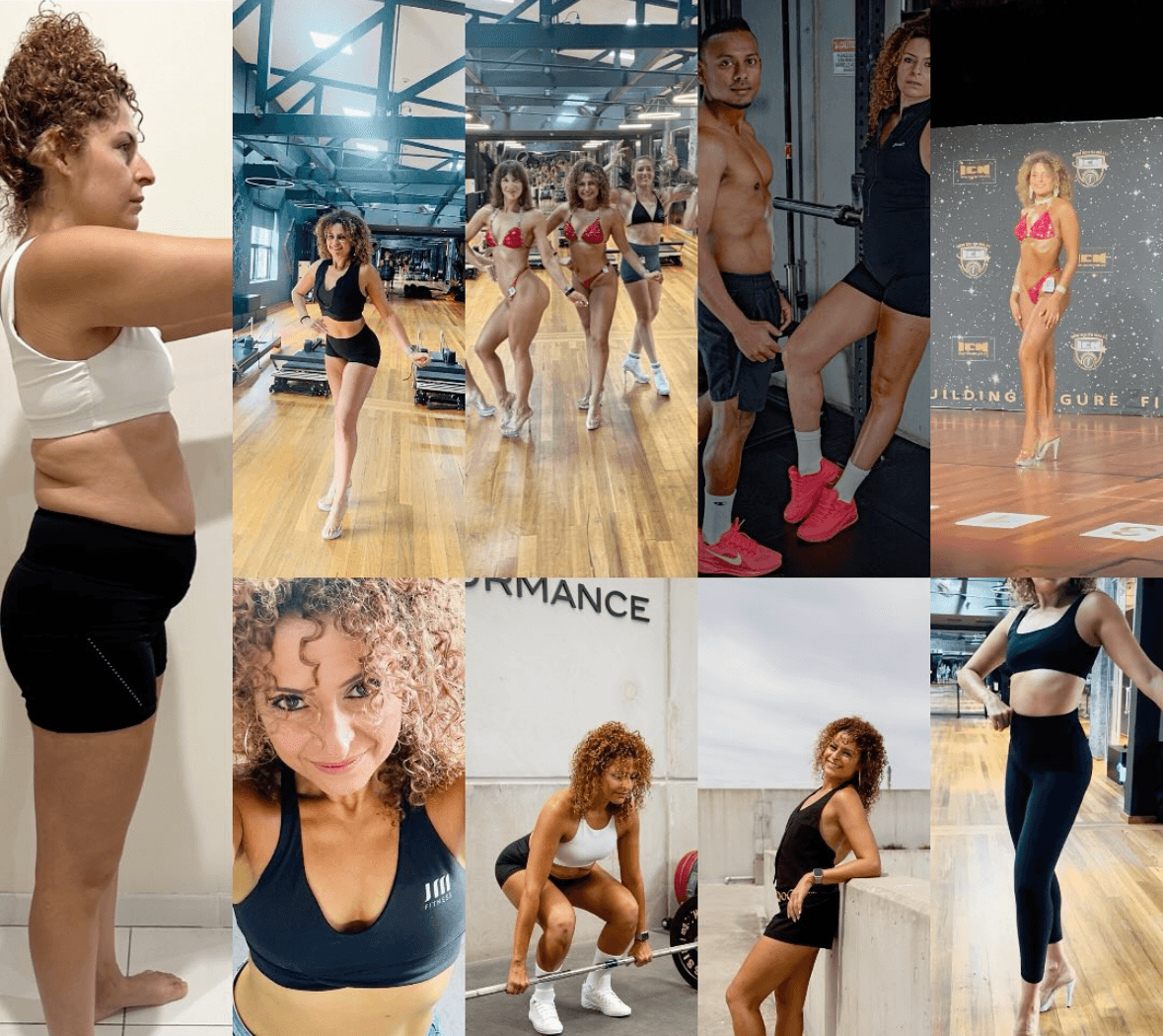
Do you have to starve to lose fat?
No, you do not have to starve to lose fat. Fat loss comes from a sustained, moderate energy deficit, not from punishing hunger or cutting whole food groups. At FitCultInc our whole philosophy sits on one line: you don't have to starve to build the body you want. Starving feels like effort, and effort feels like progress, but the body responds to consistency over weeks and months, not to how miserable a single day was.
Here is the part most people miss. The goal is not to eat as little as possible. The goal is to eat as much as you can while still losing fat at a steady rate. That margin is what makes the whole thing repeatable, and repeatable is the only kind of fat loss that lasts.
Why do crash diets fail?
Crash diets fail because they are designed for a sprint, while fat loss is a distance event. When you slash calories aggressively, three things tend to happen at once, and all of them work against you.
First, you lose more than fat. Very low intakes, especially with little protein and no resistance training, strip away muscle alongside fat. Less muscle means a lower resting metabolism, so you end up needing even fewer calories just to maintain your new, softer-looking weight.
Second, hunger and fatigue climb to a level willpower can't hold. Most people can white-knuckle a brutal diet for a week or two, then a normal busy Sydney week hits, the wheels come off, and the lost weight returns with interest.
Third, crash diets teach you nothing. You finish with no eating habits you can keep, so you are right back where you started, except more frustrated and more convinced that your body is the problem. It isn't. The method was.
How big should a calorie deficit be?
A sensible calorie deficit is usually around 10 to 20 per cent below your maintenance energy needs, which for many people lands somewhere near 300 to 500 calories a day. That pace tends to produce roughly 0.5 to 1 per cent of body weight lost per week, which is fast enough to stay motivated and slow enough to protect muscle and sanity.
Energy balance is the underlying mechanism here. To lose fat you need to take in less energy than you burn over time, full stop. Everything else, every diet name and every trend, is just a different way of arriving at that same deficit. Some create it by cutting carbs, some by cutting fats, some by timing meals. None of them break the rule of energy balance; they just dress it up.
A moderate deficit also leaves you something to work with. As fat loss slows, you have room to nudge intake down or activity up. Start at rock bottom and you have nowhere to go but hungrier, which is exactly the trap that ends most diets.
What about really fast results?
Faster is not better past a point. Aggressive deficits can be appropriate in specific, short, supervised situations, but as a default they cost you muscle, energy, training quality and adherence. For nearly everyone chasing a lasting body transformation, steady wins.
 A conceptual image featuring the words 'Burn Fat' on a blue plate, symbolizing weight loss.
Can you lose fat and keep eating foods you enjoy?
Yes, you can lose fat while still eating foods you enjoy, and you'll stick to the plan far longer if you do. No single food makes or breaks fat loss; total energy over the week is what counts. That means a Friday dinner out or a flat white with a mate is not cheating, it's just part of your numbers.
The practical move is to anchor most of your intake around foods that fill you up for fewer calories, then spend the remainder on the stuff you actually like. In practice that looks like:
- Protein at every meal. Lean meats, eggs, fish, dairy and legumes. Protein keeps you full, protects muscle in a deficit and has the highest "cost" to digest, so more of it works in your favour.
- Plenty of volume. Vegetables, fruit and high-fibre carbs fill the plate and the stomach without flooding it with calories.
- Room for enjoyment. Leave a deliberate slice of your daily intake for treats. Built-in, planned indulgence beats forbidden-then-binged every time.
- Drinks you forget about. Liquid calories from juice, soft drink and alcohol add up fast and don't fill you up. Worth watching.
Protein deserves a special mention because it does the heavy lifting in a deficit. It blunts hunger, it preserves the muscle that gives you shape and keeps your metabolism humming, and it makes the whole diet feel less like deprivation. Get protein right and most people find they are not actually that hungry, even while losing fat.
What does sustainable fat loss actually look like week to week?
Sustainable fat loss looks boringly consistent, and that's the point. You eat in a moderate deficit you barely notice, you train to keep your muscle, you sleep, you walk, and you let the weeks compound. The scale wobbles day to day from water, food timing and stress, so you judge progress over fortnights, not mornings.
It also means building the skills, not just chasing the number. Reading a menu, hitting your protein when life is chaotic, recovering from a big weekend without spiralling, knowing how to nudge things when progress stalls. Those are the things that keep the result after the diet ends. That's also where coaching earns its keep, taking the guesswork out and adjusting the plan to your real life rather than an ideal one.
If you've crash-dieted before and watched it all come back, you are not broken and you are not lazy. You were handed a method built to fail. The fix is a plan you can actually live with.
When the FitCult app launches later in 2026 it'll make this even simpler, with your programming, nutrition targets, check-ins and a direct line to your coach all in one place. For now, if you want a fat-loss approach that doesn't run on hunger and guilt, book a free intro session with FitCultInc in Wentworth Point, or start online coaching from anywhere in Australia. Built, not born. Let's build it properly.
Call Harry on 0424 250 374, DM @fitcultinc, or head to fitcultinc.com.
Get an honest quote for your place
A free quote, no obligation, and the price we give is the price you pay.