Tips & Guides
Body Recomposition: How to Lose Fat and Build Muscle at the Same Time
Body recomposition means losing fat and building muscle at the same time, and yes, it is genuinely possible. It is also the most misunderstood goal in the gym, because whether it works for you depends almost entirely on where you are starting from. Built, not born applies here more than anywhere: recomp is not a hack, it is a set of conditions you engineer and then hold for long enough to matter.
Can you really lose fat and build muscle at once?
Yes, but the conditions are narrow. Fat loss needs an energy deficit. Building muscle is easiest in a surplus. Doing both simultaneously means asking your body to fund new tissue while you are running it lean, and that works best when there is plenty of stored energy available and plenty of untapped adaptation left.
The people it works well for:
- Beginners. A first year of proper resistance training builds muscle almost regardless of the calorie setup.
- The detrained. Anyone returning after a long break regains muscle fast. Muscle memory is real.
- Higher body fat percentage. More stored fuel to draw on means the deficit is easier to fund.
The people it works poorly for: lean, advanced lifters with a high training age. If you are already at a low body fat percentage and years into hard training, the research on body recomposition in trained individuals suggests the gains are marginal, and dedicated bulk and cut phases produce a better result. That is not a failure, it is just a different tool for a different stage.
How do I set the calories?
Sit just below maintenance calories, not miles below. Roughly 100 to 300 calories under maintenance is the working window for recomp. Deep deficits force the trade: you will lose weight faster and a meaningful chunk of it will be the muscle you are trying to keep.
This is where our whole position sits. You do not have to starve to change your body composition, and starving is actually counterproductive here, because recomposition is funded by training hard and recovering well, and neither survives a crash diet. There is more on that in why you do not have to starve to lose fat.
How much protein do I need?
High, and consistent. Protein is the lever that decides whether the weight you lose is fat or muscle, because it drives muscle protein synthesis while you are in a deficit. Sports Dietitians Australia publishes the practical ranges, and spreading intake across three or four meals beats loading it all at dinner. The full breakdown is in our guide to how much protein you need to build muscle.
 A woman displaying weight loss by wearing oversized pants and crop top, showing tattoos.
Carbohydrates are not the enemy either. They fuel the training session that creates the growth stimulus in the first place. Cut them to nothing and your lifts fall off a cliff, which removes the entire point of the exercise.
What should the training look like?
Resistance training first, cardio second. Progressive overload is the non negotiable: more weight, more reps or better control than last time, tracked, week after week. That signal is what tells your body to keep the muscle it has and add a little more, even while fat is coming off.
A practical structure for most people is three to four full body or upper/lower sessions a week, built on compound movements. Squat, hinge, push, pull, carry. Get those strong and the rest follows, and it is worth drilling technique on the squat and the deadlift before you load either of them heavily.
Cardio has a place, and concurrent training does work, but keep it in proportion. Two or three easy sessions plus a daily step target does more for your NEAT and your recovery than five brutal HIIT sessions that leave you too flat to lift. The Australian 24 hour movement guidelines call for muscle strengthening on at least two days a week, and that is a floor, not a target.
And sleep. Seven to nine hours is part of the programme, not a lifestyle bonus. Recovery is where recomposition actually happens.
How do I know if it is working?
Not from the scale. This is the single biggest reason people quit a recomp that is working perfectly: body weight barely moves, because you are losing fat and adding lean body mass at similar rates. That flat line on the scale is the goal, not a failure.
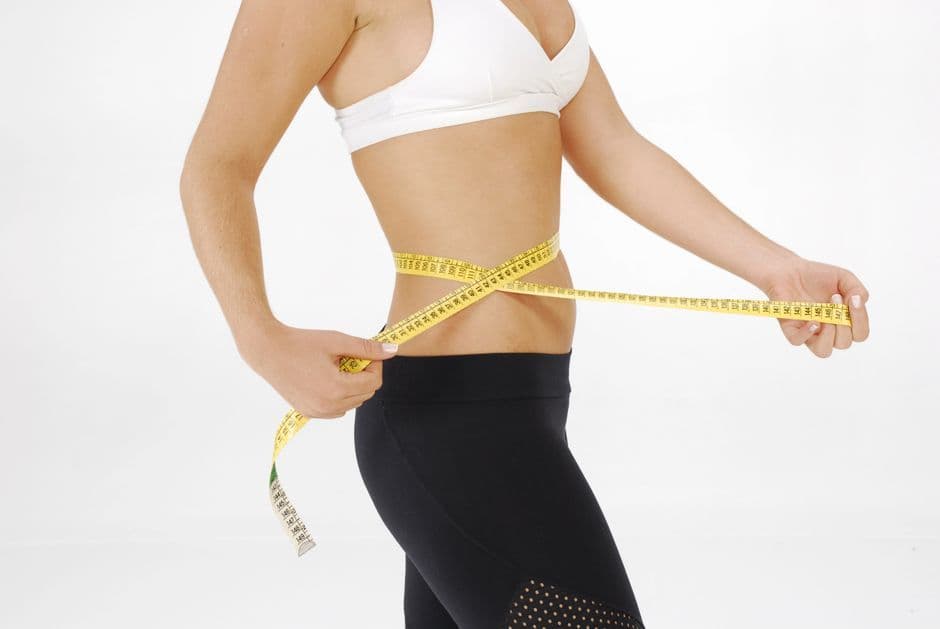
 A woman measuring her waist with a pink measuring tape, focusing on fitness and health.
Track four things instead:
- Progress photos, monthly, same light, same time of day.
- Tape measurements at the waist, hips, chest and arms every two weeks.
- Gym numbers. Loads and reps going up is direct evidence you are keeping and building muscle.
- Body fat percentage, if you have access to a consistent method. A DEXA scan is the gold standard, but the trend from any one method used the same way each time is what matters.
If the tape is coming down and the bar is going up while the scale sits still, it is working. Keep going.
How long does body recomposition take?
Think in months, not weeks. Twelve weeks is enough to see it clearly in photos and measurements. Six months changes how clothes fit. A year changes how you look. Progress is not linear, and a plateau usually means one of four things has slipped: protein, progressive overload, sleep or honest tracking. Check those in that order before you change anything drastic.
Where to start
Set calories just under maintenance, hit your protein daily, train hard three or four times a week with real progression, sleep, and measure with something other than the scale. That is the whole method. The hard part is not knowing it, it is holding it for six months while nothing dramatic happens on a Tuesday.
That is exactly what coaching is for: the programming, the honest tracking and someone in your corner when the scale stalls. Have a look at body transformation coaching or, if nutrition is the piece you are guessing at, nutrition coaching. Book a free intro session and we will map out what your first twelve weeks should look like.
Get an honest quote for your place
A free quote, no obligation, and the price we give is the price you pay.